Canine Dental Pathology Jaw Model – Progressive Pathology Series
Canine Dental Pathology Jaw Model – Progressive Pathology Series


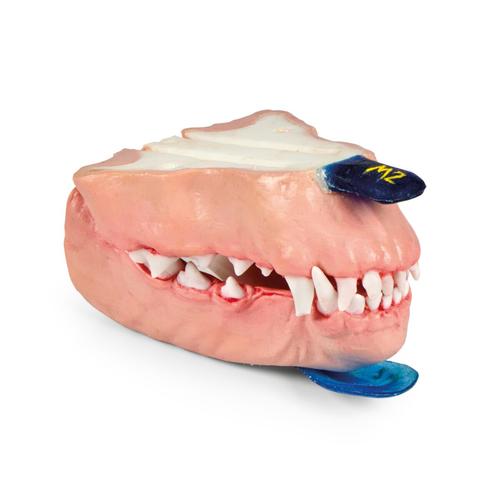
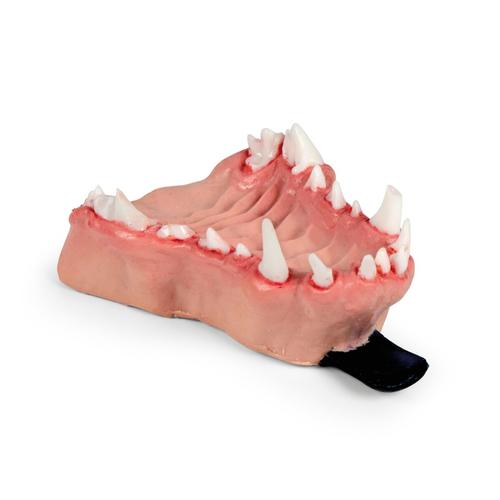
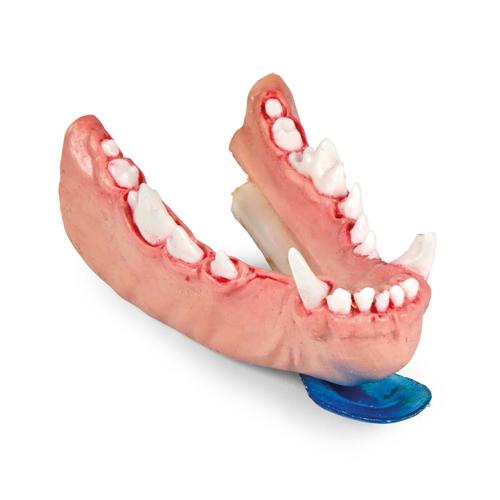
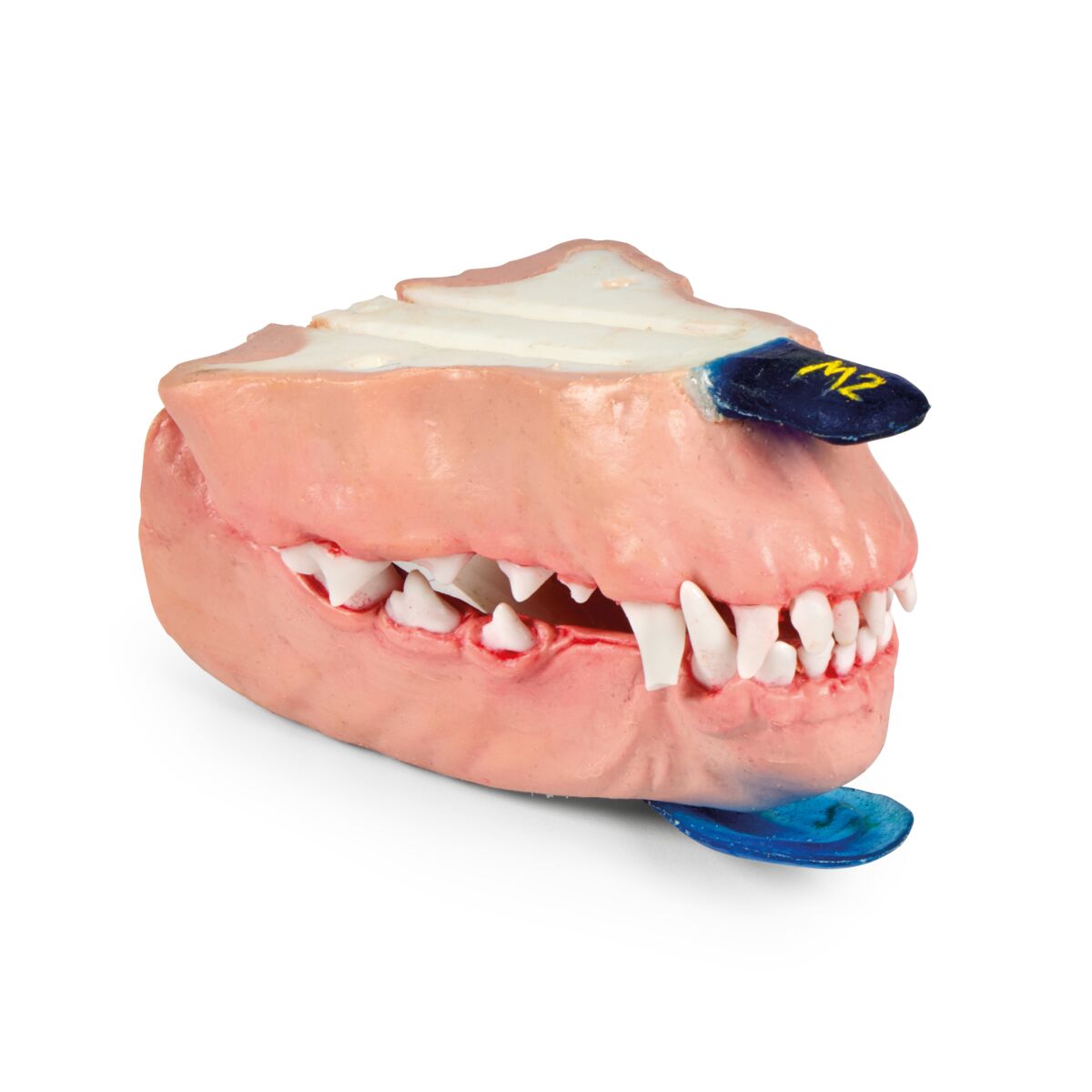
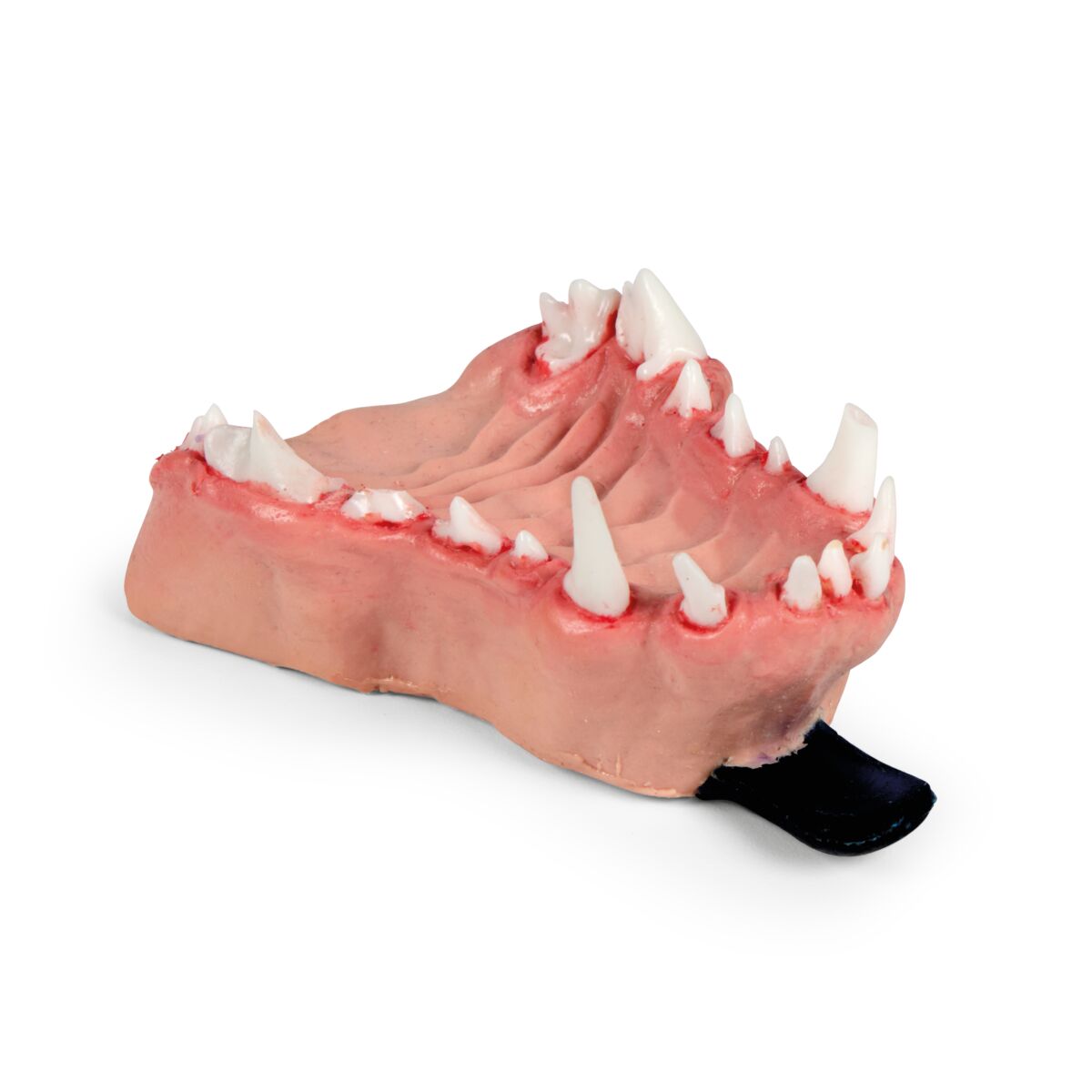
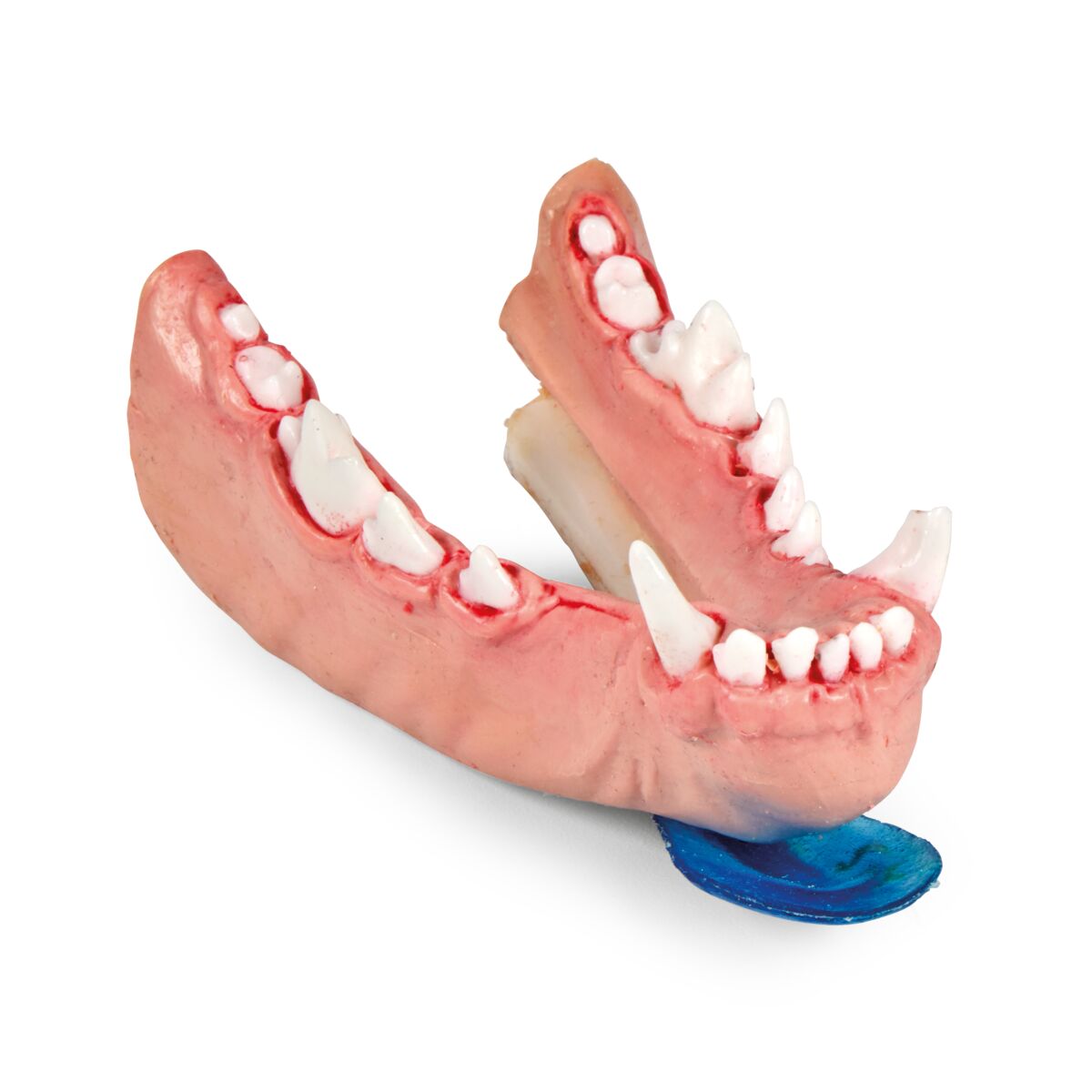
The Canine Dental Pathology Jaw Model – Progressive Pathology Series builds directly on the foundational knowledge established in the Core Pathology Series, presenting a wider and more clinically challenging distribution of tooth loss, complicated crown fractures, and furcation exposure across both arches and multiple quadrants. Designed for veterinary students and educators ready to move beyond single-quadrant case discussions, this model reflects the kind of multi-site presentations commonly encountered in real veterinary dental practice.
Pathologies Demonstrated:
Following the Triadan dental numbering system, this model accurately features:
Pathologies Demonstrated:
Following the Triadan dental numbering system, this model accurately features:
- Tooth 304, 104 & 207 – Complicated crown fractures requiring endodontic evaluation, distributed across both the maxillary and mandibular arches for a bilateral case discussion
- Tooth 308 & 108 – Furcation exposure present in both arches simultaneously, enabling comparative periodontal assessment and staging exercises
- Tooth 303, 405, 406, 110, 202 & 210 – Six missing teeth spread across multiple quadrants, supporting in-depth discussions on tooth loss patterns, occlusal changes, and extraction sequelae
- Greater tooth loss distribution than the Core Pathology Series, spanning six missing teeth across multiple quadrants
- Furcation exposure across both arches for comparative periodontal assessment training
- Complicated crown fractures present in both maxillary and mandibular arches
- Follows the Triadan dental numbering system for accurate clinical reference
- Ideal for intermediate case discussions and multi-quadrant treatment planning exercises
- Pairs seamlessly with the Core Pathology Series and Complex Pathology Series
- Durable construction designed for repeated handling in teaching environments
- 1x Maxilla Pathology Teaching Model (M2)
- 1x Mandible Pathology Teaching Model (M2)
Item No.: 1027259
| Weight | 0.44 lb |
| Dimensions | 5.3 x 2.8 x 3.3 in |
| Brand | VSI |
| MPN: | K9-DENTAL-SCALING-PATH-SET-2 |
- Secure online payment with SSL
- Expert advice
- Financing available
- Easy returns & exchanges
- International shipping available
1-888-326-6335