Lifecast Forensic Manikin, L/F


Lifecast Forensic Manikin, L/F


Your Gateway to Hands-On Forensic Learning
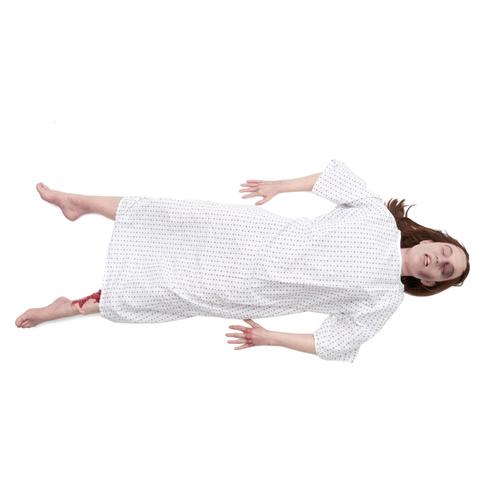
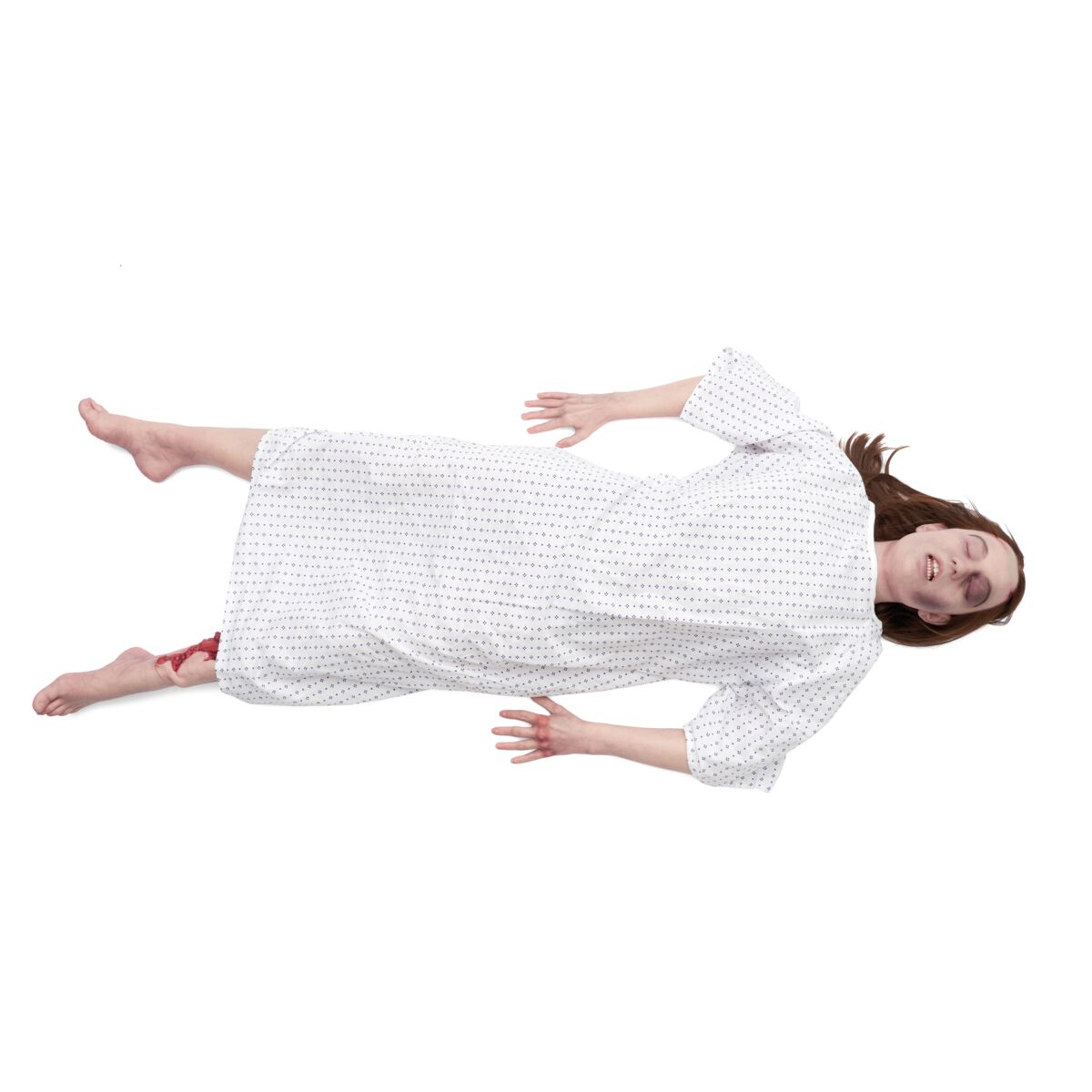
Understanding the appearance, location, and context of injuries is essential in forensic, medical, safeguarding, and law enforcement training. The Lifecast Forensic Manikin supports realistic, hands-on learning by providing learners with a highly detailed anatomical model for observing, identifying, documenting, and discussing a wide range of trauma presentations in the context of a deceased person.
Lifecast Body Simulation manikins are created to bring realism, presence, and emotional engagement into simulation-based training. With life-like anatomical features, realistic skin texture, and detailed visual presentation, Lifecast manikins help learners engage with training scenarios in a more authentic and memorable way.
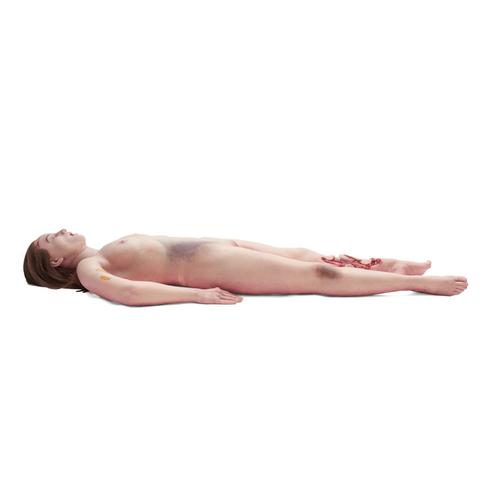
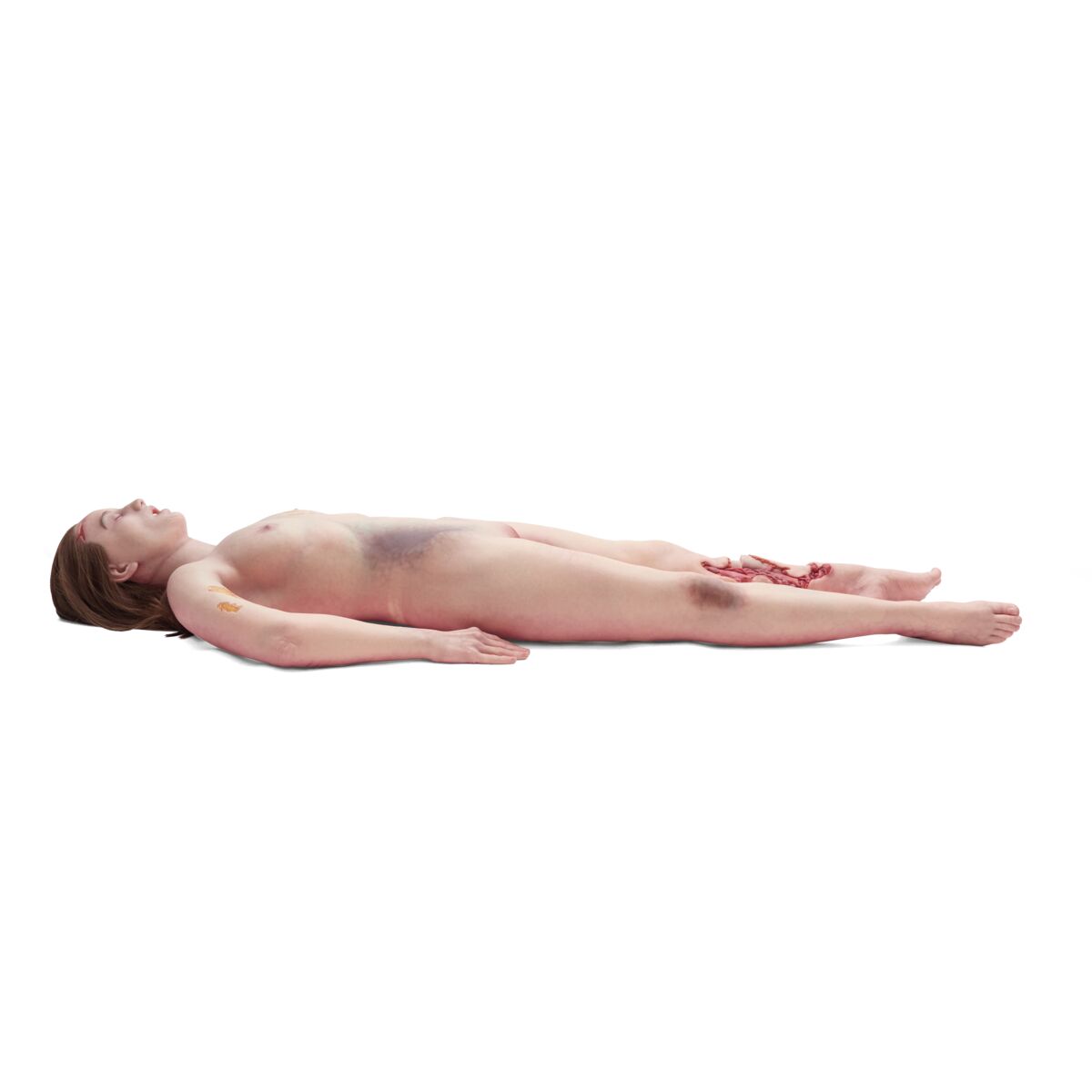
This adult female forensic manikin has been carefully developed to deliver a highly realistic training experience. Designed with lifelike fine details, realistic skin texture, and natural anatomical features, and carefully applied trauma details, it allows learners to engage with a model that closely reflects the appearance and presence of a real patient.
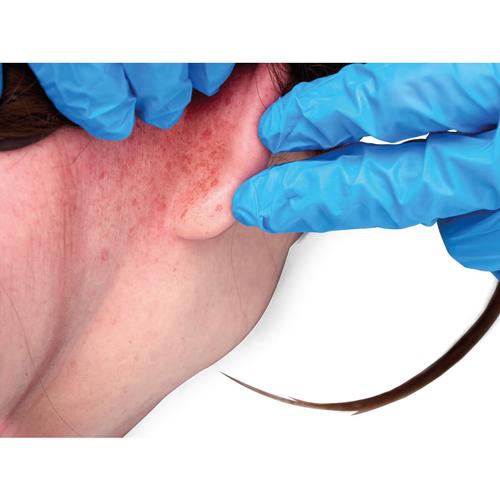
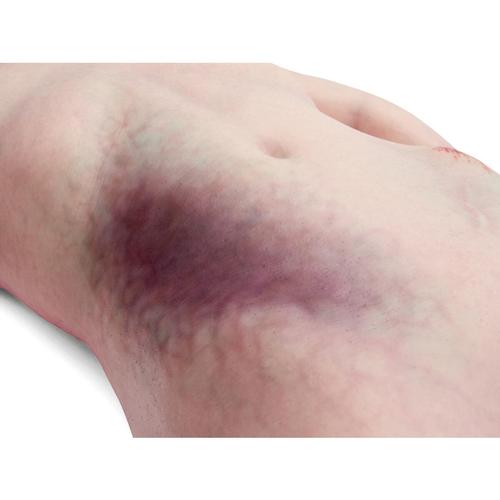
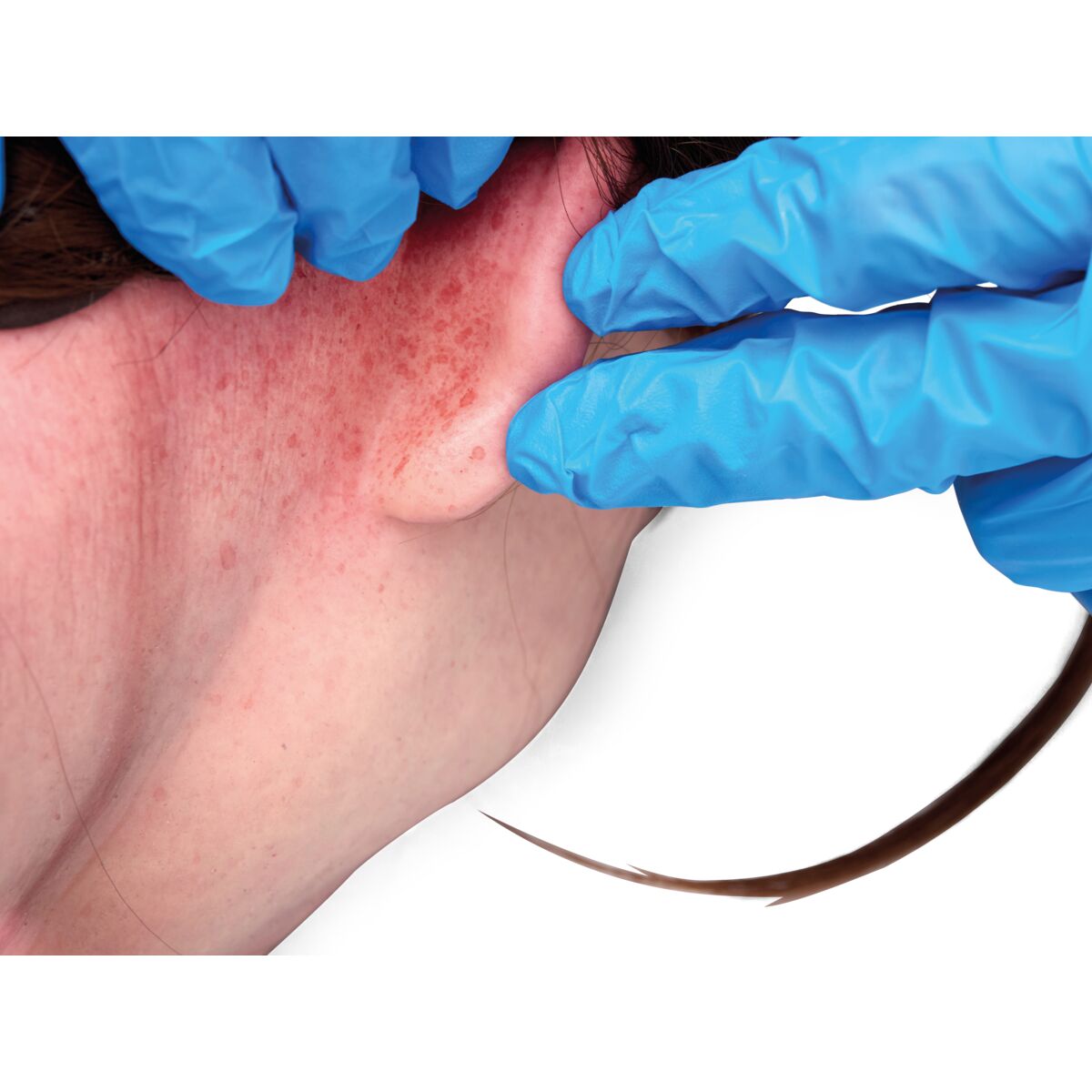
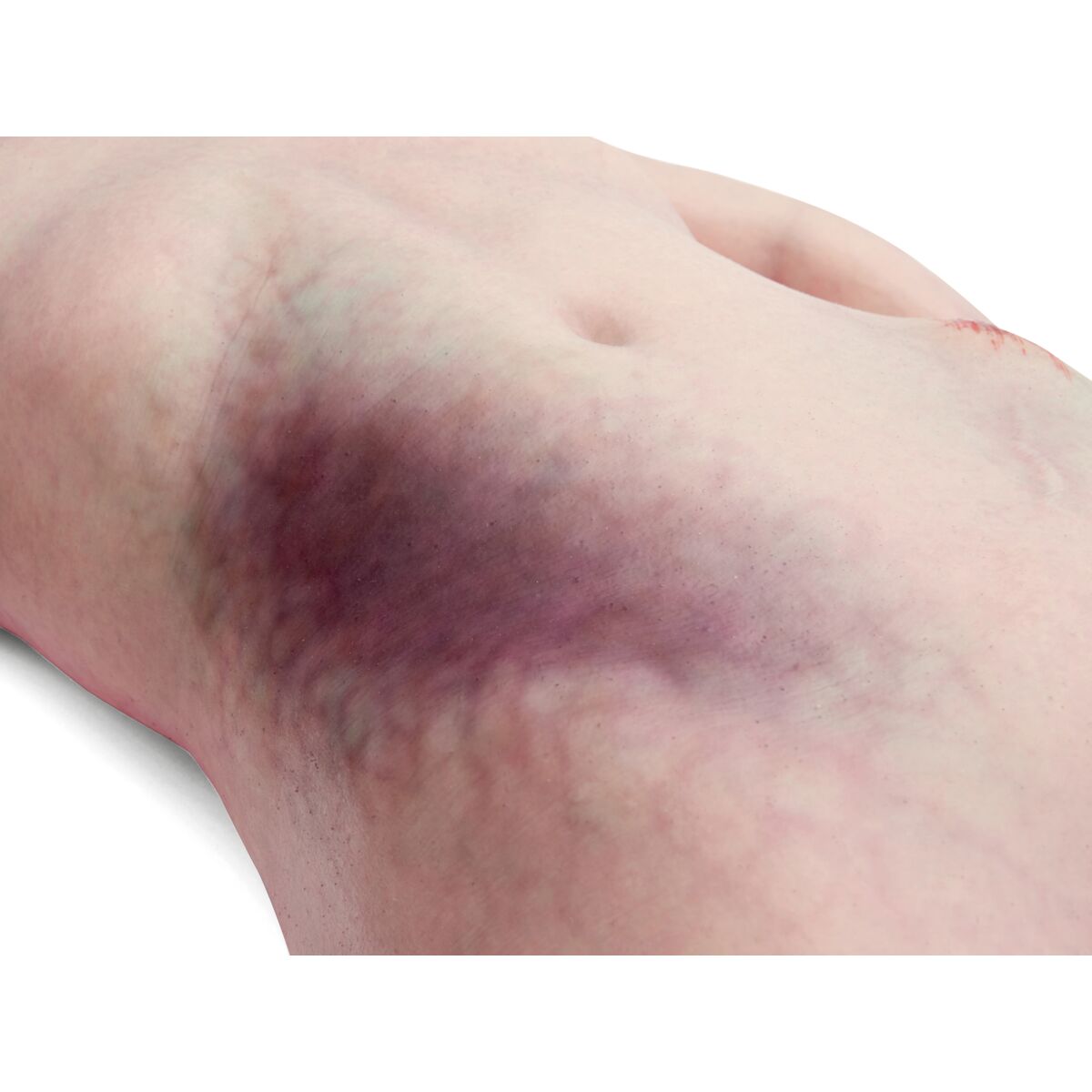
What makes this model especially unique is the inclusion of 32 realistic injury patterns, trauma features and skin changes. These allow learners to examine a wide range of wound and injury patterns relevant to forensic case discussion, crime scene analysis, medical diagnostics, safeguarding, and law enforcement training. By observing, documenting, and discussing different types of injuries, learners can build confidence and improve professional decision-making in a safe, controlled, and repeatable training environment.
An anatomically precise and realistic adult manikin serves as a valuable tool for forensic, medical, safeguarding, and law enforcement training, helping learners to:
Delivery Content:
Understanding the appearance, location, and context of injuries is essential in forensic, medical, safeguarding, and law enforcement training. The Lifecast Forensic Manikin supports realistic, hands-on learning by providing learners with a highly detailed anatomical model for observing, identifying, documenting, and discussing a wide range of trauma presentations in the context of a deceased person.
Lifecast Body Simulation manikins are created to bring realism, presence, and emotional engagement into simulation-based training. With life-like anatomical features, realistic skin texture, and detailed visual presentation, Lifecast manikins help learners engage with training scenarios in a more authentic and memorable way.
This adult female forensic manikin has been carefully developed to deliver a highly realistic training experience. Designed with lifelike fine details, realistic skin texture, and natural anatomical features, and carefully applied trauma details, it allows learners to engage with a model that closely reflects the appearance and presence of a real patient.
What makes this model especially unique is the inclusion of 32 realistic injury patterns, trauma features and skin changes. These allow learners to examine a wide range of wound and injury patterns relevant to forensic case discussion, crime scene analysis, medical diagnostics, safeguarding, and law enforcement training. By observing, documenting, and discussing different types of injuries, learners can build confidence and improve professional decision-making in a safe, controlled, and repeatable training environment.
An anatomically precise and realistic adult manikin serves as a valuable tool for forensic, medical, safeguarding, and law enforcement training, helping learners to:
- Strengthen observation and documentation skills when assessing visible injury and wound patterns.
- Build confidence in identifying and discussing trauma presentations in forensic, medical, and safeguarding contexts.
- Develop professional communication skills for case-based learning, multidisciplinary discussion, and sensitive training scenarios.
- Anatomically accurate outer body
- A combination of 32 unique injuries, trauma features and skin changes.
- Realistic skin appearance and natural anatomical features.
- Full head of hair, except where head wounds are placed.
- Suitable for observation, documentation, case discussion, and scenario-based learning.
- Closed eyelids with manual opening.
- Stellate laceration
- Purple bruising around the eye
- Postmortem abrasions
- Dry orange abrasion
- Needle puncture marks
- Green discoloration
- Linear scars
- Brown/green bruise
- Pitting oedema
- Full thickness laceration with open fracture
- Red bruise
- Red abrasion
- Stab wound
- Chronic injection sinus
- Linear parallel scars
- Scar
- Friction abrasion
- Thoracostomy
- Scar on chin
- Red/blue bruise
- Petechial haemorrhage in eyes and behind ears
- Full thickness laceration
- Three stab wounds and one bullet wound
- Brown/blue bruise
- Linear scabbed abrasions
- Interrupted abrasion
- Yellow bruise
- Abrasions
- Faint ligature mark
- Postmortem staining
- Knuckle bruising
- Bruising on inner thighs
Delivery Content:
- Female adult forensic manikin
- Transport body stretcher
- Body bag
- Maintenance Kit
Item No.: 1027211
| Weight | 31 kg |
| Dimensions | 172 x 22 x 50 cm |
| Brand | Lifecast Body Simulation |
Documentation

- Secure online payment with SSL
- Expert advice
- Easy returns & exchanges
- International shipping available